
Creating Welcoming School Communities
“Every student deserves to know that they belong, that their voice matters, and that their unique experiences enrich our schools. The best educators create spaces where students feel safe to learn, grow, and become their best selves.”
-Rita Pierson, Educator

Supporting military-connected students requires understanding and responding to their unique challenges. As highly mobile military families relocate around the world, their life experiences can change dramatically by world region. Schools and local community organizations must provide timely resources to incoming military-connected students and families to ensure academic success and smooth transfers to new homes. Creating lasting positive change in education requires collaboration across multiple fields including education, medicine, technology, and government, bringing together different perspectives and innovative solutions to support military families.
Military Student Characteristics
Military-connected students bring a wide range of experiences, backgrounds, and perspectives to our school communities. These may include variety in:
- Cultural experiences from postings around the world
- Family structures and living arrangements
- Learning styles and educational backgrounds
- Language skills and communication needs
- Physical and academic support requirements
- Socioeconomic circumstances
- Religious and ethical values
Understanding these varied experiences helps educators provide appropriate support and foster a safe learning environment for all students.
Educational Access and Support
Military students require consistent access to educational opportunities despite frequent moves and transitions. Each student’s circumstances may require different types of support to maintain academic progress. For example:
- Students with physical or learning disabilities may need specialized support through IEPs or 504 Plans
- Students transferring between different state systems may need help aligning credits
- Students experiencing deployment-related challenges may need additional academic support
- Students moving internationally may need language support
- Students changing schools mid-year may need help catching up in specific subjects
Military families bring rich experiences from postings around the world. Their varied backgrounds and circumstances require schools to provide flexible, individualized support to ensure every student can succeed academically.
Building Welcoming School Communities
Creating a sense of belonging is critical for military students’ academic success and overall well-being (Cantor, 2021; Cozza, 2014; MCEC, 2020). Research shows that students perform better academically when they feel connected to their school community. This is especially important for military-connected students who frequently change schools.
Successful school communities:
- Welcome new students actively
- Enable full participation in school activities
- Provide clear access to resources and support
- Foster peer connections and friendships
- Maintain open communication with families
- allow students to maintain academic momentum amid frequent school changes
- Encourage participation in extracurricular activities
When students feel welcomed and supported, they are better positioned to maintain academic progress despite moves and changes.
Conversation Starters with Children and Youth:
There is no perfect way for parents, teachers, or youth serving professionals to have difficult conversations with military kids. You may experience challenges or even make a few mistakes during these conversations; however, the goal is to move forward together. Remember, it is okay to be vulnerable. Here are a few recommendations (NEA Education Justice, 2017; PBS; Sesame Street):
- Keep it simple.
- Follow their lead and answer their questions age-appropriately
- Meet them at their level.
- Ask them questions to facilitate their thinking around differences.
- Keep an open mind and reserve judgment.
- Let them express themselves, freely.
- Watch educational videos and follow up with a group discussion.
- Read books or stories with a wide range of characters.
- Watch a movie with equal representation.
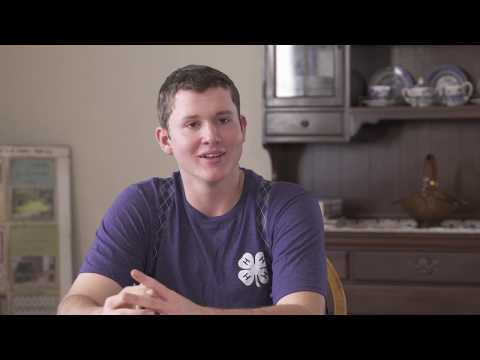
Create Positive Change in Your Community
Virginia 4-H’er Eli shares how the 4-H Tech Changemakers program is changing his life and allowing him to help his…What To Do When Experiencing Racism as a Military Member
For military families that have experienced racism.Not for Ourselves Alone
Explore a collection of educational resources related to women’s suffrage and issues raised in “Not for Ourselves Alone,” a film…A Discussion Guide
PBS KIDS spoke with real families and had conversations about racial identity, anti-Black racism, and how it is incumbent on…Opportunity Index
This report shares the latest Index scores for all 50 states plus the District of Columbia, ranking them from 1…Never Too Young: Ages and Stages of Racial Understanding
An article about children’s understanding of race, age by age.A Military Families’ Activity Book
A guide to help your family remember no matter where you are, you can learn from one another and appreciate…Integrating Equitable Principles
Today we have a tremendous opportunity to reimagine our education system by using what we know from the science of…Turnaround for Children
The SoLD Alliance is a field-building resource hub for researchers, practitioners and policymakers.Equitable Learning Library
A collection of resources by Building Equitable Learning EnvironmentsLeadership for Educational Access
Supporting more leaders to engage civically and increase access and opportunity in their community.Integrating Social, Emotional, and Academic Development
An Action Guide for School Leadership TeamsLearner Variability Navigator
This free tool helps you find research-based strategies that support the whole learner so you can create better learning experiences…References:
Cantor, P., Lerner, R. M., Pittman, K. J., Chase, P. A., & Gomperts, N. (2021). Whole-child development, learning, and thriving: A dynamic systems approach. Cambridge University Press. https://doi.org/10.1017/9781108954600
Cozza, S. J. (2014). Supporting America’s military children and families. Applied Developmental Science, 18(1), 1–4. https://doi.org/10.1080/10888691.2014.866399
Exec. Order No. 13985, 86 Fed. Reg. 7009 (Jan 20, 2021). Executive Order 13985 Exec. Order No. 14035, 86 Fed. Reg. 34593 (Jun 25, 2021). https://www.federalregister.gov/executive-order/13985
Hammond, Z. (2014). Culturally responsive teaching and the brain: Promoting authentic engagement and rigor among culturally and linguistically diverse students. Corwin Press.
National Academies of Sciences, Engineering, and Medicine. (2019, July 19). Strengthening the military family readiness system for a changing American Society. The National Academies Press. https://doi.org/10.17226/25380
PBS Kids: For Parents. (n.d.) Talking to Young Children About Race and Racism. PBS. https://www.pbs.org/parents/talking-about-racism
Sensoy, Ö., & DiAngelo, R. (2009). Developing social justice literacy an open letter to our faculty colleagues. Phi Delta Kappan, 90(5), 345 352. https://doi.org/10.1177/003172170909000508
Tong, P. K., Payne, L. A., Bond, C. A., Meadows, S. O., Lewis, J. L., Friedman, E. M., & Maksabedian Hernandez, E. J. (2018, October 18). Frequent moves affect military family stability. RAND Corporation. https://www.rand.org/pubs/research_reports/RR2304.html
Disclosure Statement: These tools are not intended to be a substitute for professional medical advice, diagnosis, or treatment. Always seek the advice of your physician or other qualified health providers with any questions you may have regarding a medical condition. Never disregard professional medical advice or delay in seeking it because of something you have read on this website.

Have a Question? Ask an MSC!
If you have a question about academic transition, education options, or how to best meet the needs of your military-connected child, connect with a Military Student Consultant.
Our MSCs truly understand the challenges related to military life and they stand ready to serve.