
PTSD, TBI, Invisible & Physical Injury
Posttraumatic Stress Disorder (PTSD)
People suffer from PTSD or posttraumatic stress disorder when they have trouble recovering from a traumatic event they experienced, witnessed, or heard about happening to someone they love (American Psychiatric Association, 2013). Many military families live with PTSD in their homes after their service member is exposed to combat or military training (Cozza et al., 2018). However, PTSD may come from a variety of other traumatic events.
Some examples include (U.S. Department of Veteran Affairs, 2019):
- Violence (domestic, military, terrorist attack, training)
- Serious injuries (intentional or accidental: car crash, drowning)
- Sexual or physical assault and/or abuse
- Natural disasters (hurricanes, tornadoes, floods, fires, etc.)
PTSD can look different in individuals. One person may become more agitated while others become more distant and detached. It is also common to see two or more disorders in addition to PTSD like depression, anxiety, or substance abuse (Brownlow et al., 2018).

Traumatic Brain Injury (TBI)
A traumatic brain injury (or TBI) is a blow or jolt to the head that disrupts the normal function of the brain. The severity of the TBI is determined at the time of the injury and may be classified as: mild, moderate, severe, or penetrating. TBI may cause physical, cognitive, and behavioral changes that can be difficult to adapt to for both the individual and family members (Medline Plus, 2021). These changes are usually temporary, but in some cases, recovery becomes a lifelong process of adjustments and accommodation for the injured service member and their family. People with TBI can lead joyful and meaningful lives with the aid of friends and loved ones who can provide ongoing support and encouragement.
Over 80% of all TBI’s in the military are considered mild concussions. Concussions result from a head injury that makes a person feel dazed or confused and may involve the brief loss of consciousness. Common causes of military TBI include falls, motor vehicle crashes, being struck by an object, assault, sports, guns, or explosive devices. Only 8% of military TBI’s are battlefield related injuries. Symptoms of concussions can be physical: affecting the body, cognitive thinking, or emotions. Symptoms are often resolved within days or weeks of an accident (Office of Research & Development, 2019).
Communication: Talking with Your Kids About PTSD and TBI
Military families often face the challenge of reintegration when their service member comes home from deployment. Studies show that challenge…Journaling and Writing
Living with PTSD, TBI, or a physical injury can be stressful on everyone in a military family. However, journaling and…Family Goal Setting
Goal setting builds emotional intelligence by improving self-management. Research shows that positive well-being is associated with people who make progress…Family Response Plan for Military Families
Keeping your family safe is a top priority. This family response plan is meant to help prevent physical violence in…For Kids: What is PTSD?
Everybody sometimes feels mad, sad, scared, or worried. We can all get angry, argue, and yell at times. But when…Strengthen Your Family Through Difficult Times
Living with PTSD can affect the well-being of military children and their families. Families can strengthen their communication, enhance their…
Sesame Street: Mi Familia – Sunny Day Song
Watch this video to help remember that while acting as a family caregiver, and in every difficult journey, there are…
Sesame Street: A Confident Child
Having a strong sense of self-esteem can help children build resilience.
Sesame Street: Complex Emotions
Feelings about the caregiving process may come all at once or in waves.
Sesame Street: It’s a Journey – First Steps
Understanding that caregiving is best taken one day at a time can help everyone take challenges “in stride.”Feelings Color Zones
Labeling feelings is part of proven strategies that increase emotional regulation. “If you can name it, you can tame it!”Coping Through the Levels of Anger and Aggression
We all feel angry at times, but the goal is to feel content, satisfied, or grateful.Conversation Starters for School Personnel Working with Students Impacted by Parental Death
The death of a parent can be one of the most difficult challenges of a child’s life. Children vary by…Conversation Starters for School Personnel Working with Students Impacted by Parental Injuries
Discussing injuries with your students may be difficult. Younger children may struggle to understand the injury, while older students may…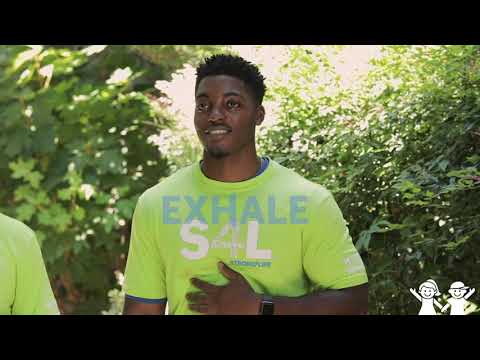
Deep Breathing: Middle and High School
Take a quick brain break with the Strong4Life Challenge Team. Deep breathing is a coping strategy that can be used…
References:
American Psychiatric Association. (2013). Diagnostic and statistical manual of mental disorders (5th ed.).
https://doi.org/10.1176/appi.books.9780890425596
Brownlow, J. A., Zitnik, G. A., McLean, C. P., & Gehrman, P. R. (2018). The influence of deployment stress and life stress
on post-traumatic stress disorder (PTSD) diagnosis among military personnel. Journal of Psychiatric Research, 103, 26-32.
https://doi.org/10.1016/j.jpsychires.2018.05.005
Cozza, S. J., Knobloch, L. K., Gewirtz, A. H., DeVoe, E. R., Gorman, L. A., Flake, E. M., … & Lerner, R. M. (2018). Lessons learned and future recommendations for conducting research with military children and families. In HughesKirchubel, L., Wadsworth, S., Riggs, D. (eds.), A battle plan for supporting military families (pp. 265-287). Springer, Cham. https://10.1007/978-3-319-68984-5
Medline Plus (2021, February 21). Traumatic brain injury. https://medlineplus.gov/traumaticbraininjury.html
Office of Research & Development (n.d.). Traumatic brain injury (TBI). U.S. Department of Veteran Affairs. https://www.research.va.gov/topics/tbi.cfm
Understanding PTSD: a guide for family and friends. (2019). U.S. Department of Veterans Affairs, National Center for PTSD.
https://servingtogetherproject.org/understanding-ptsd-a-guide-for-family-and-friends/
Disclosure Statement: These tools are not intended to be a substitute for professional medical advice, diagnosis, or treatment. Always seek the advice of your physician or other qualified health providers with any questions you may have regarding a medical condition. Never disregard professional medical advice or delay in seeking it because of something you have read on this website.

Have a Question? Ask an MSC!
If you have a question about academic transition, education options, or how to best meet the needs of your military-connected child, connect with a Military Student Consultant.
Our MSCs truly understand the challenges related to military life and they stand ready to serve.