Forum Session Highlights
Connection Not Distraction:
A Family Conversation on Tech, Hope, and the Next Generation
Col (Ret) Eric M. Flake, MD
Developmental-Behavior Pediatrician, Henry Jackson Foundation
Associate Professor, USU and University of Washington


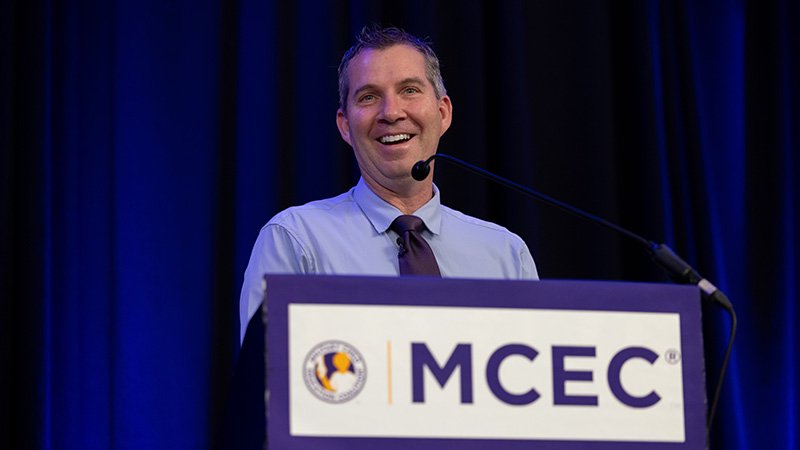
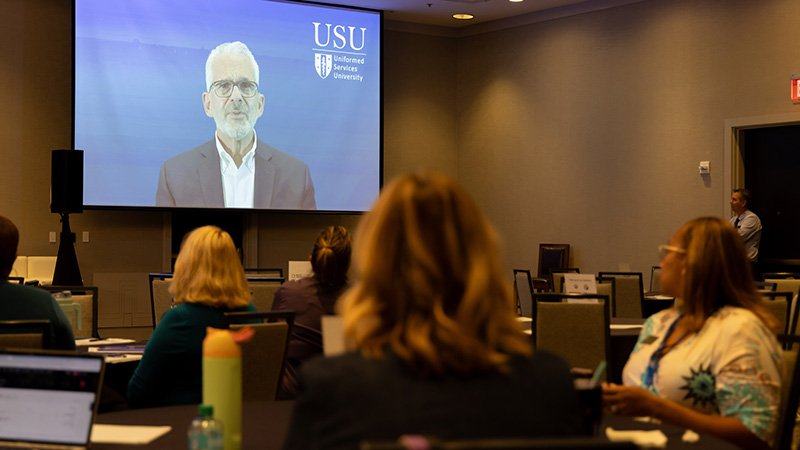
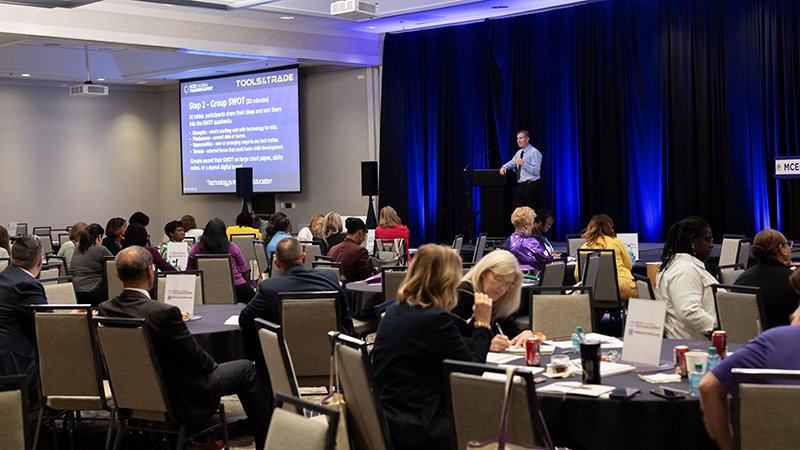
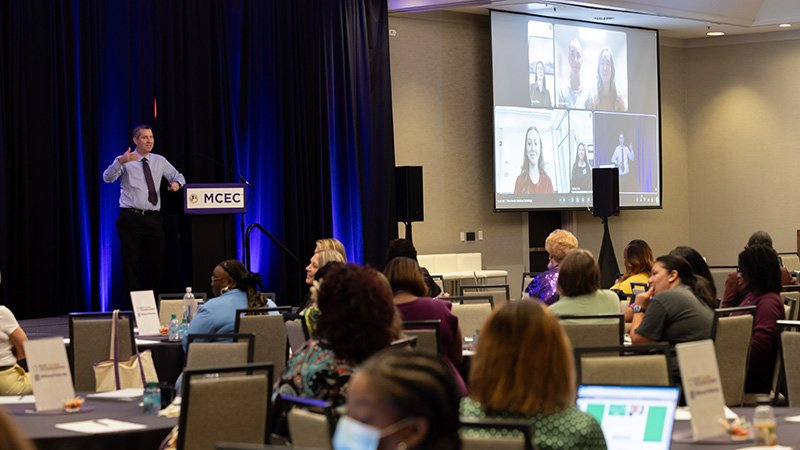
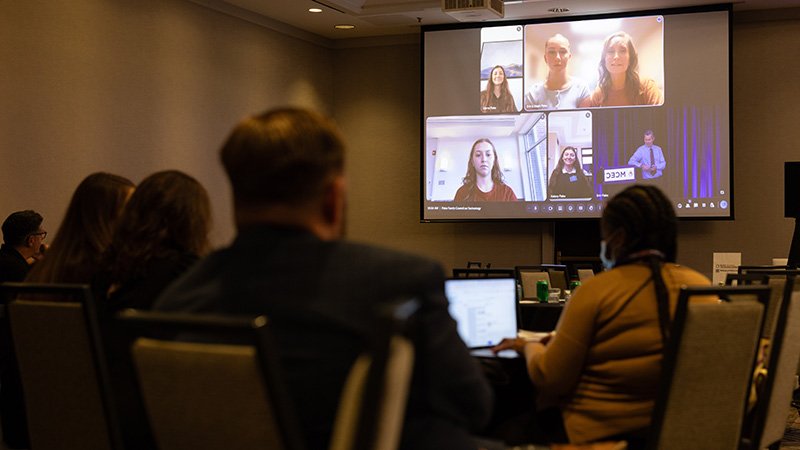
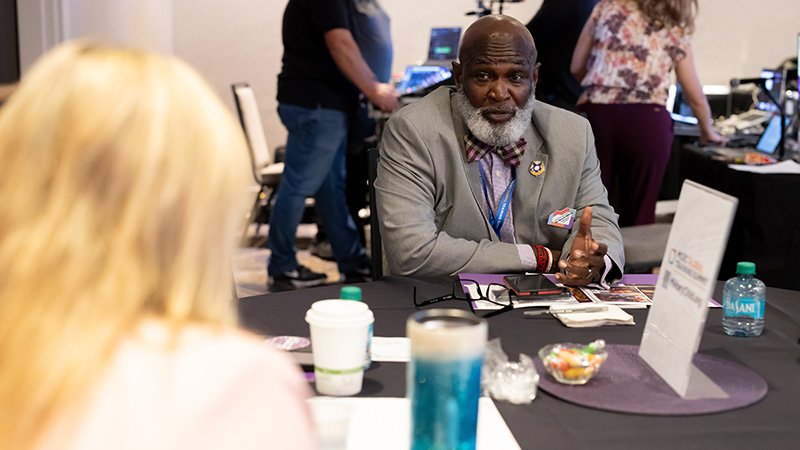
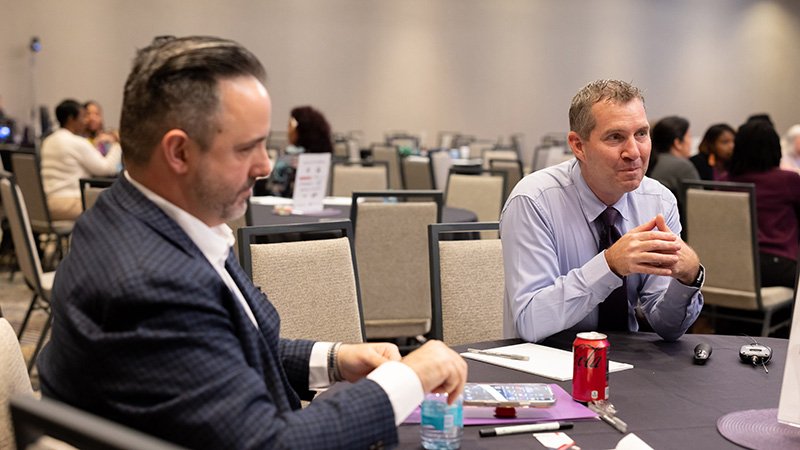
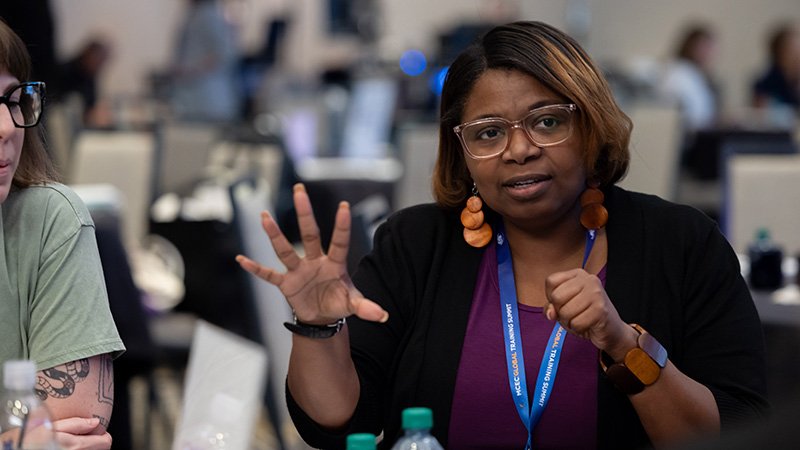
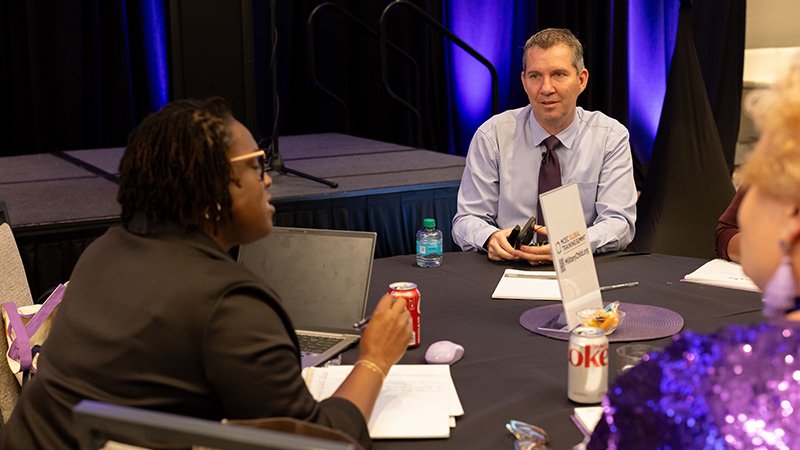
Pediatric expert Dr. Eric Flake led a two-hour, interactive forum on kids, digital/social media, and well-being. The session opened after remarks by Admiral Cecil Haney and recognition of the Dr. Mary M. Keller Award (honoring Dr. Stephen Cozza), then moved into research, a live Zoom with Dr. Flake’s family, and a collaborative SWOT workshop.
Who joined the live family conversation: Sierra (oldest daughter), Sadie (first-year college), Kelsey (joining from a mission in Guatemala), Carly (with mom Stephanie). (Son Landon is studying abroad, not present)
“Technology is your best friend and your worst enemy.”
Dr. Eric Flake


What families can do right now
- Chore-card + tokens: Kids complete a daily responsibility card; each token “buys” 30 minutes of screen time. It builds habit, priority-setting, and limits.
- Shared guardrails: Try a family self-control app (e.g., ScreenZen) and a friendly screen-time challenge everyone participates in.
- Name the goal: Before you unlock your phone, say what you’re there to do — then put it down when that task is done.
- Call out the big risk: As one table put it, “too many people have access to our children.” Make privacy and who-can-contact-me settings part of the plan.
“It’s a great tool — but it can become an enemy so fast.”
Sadie
Key takeaways (research to practice)
- Use data to guide, not scare. Nearly all teens are on social media; average daily use ~3.5 hours (8th–10th). A sizable share report 5–7+ hours; many say platforms feel manipulative and are hard to quit.
- Sleep is foundational. Studies link higher social media use with poorer sleep quality/duration—undercutting mood, cognition, and development.
- Academics need moderation. Meta-analyses across large samples show heavier smartphone/social/video-game use correlates with lower academic performance.
- Military lens. Highly mobile students face unique continuity gaps; family tech guidelines and active (not passive) tech use help.
“Talk to your kids as adults and make a plan together.”
Kelsey
The Flake Family Fun Family Media Plan
“We will help balance tech with online and offline activities by:”
- Planning a screen-free activity to do together as a family every day.
- Tracking online activities and talking about which activities may be taking up too much time.
- Making a habit of turning off media that’s not being used by anyone.
- Participating in other activities available in our community.
- Having fewer apps on our devices.
- Setting lock-screen reminders.
- Making sure screen time doesn’t interfere with physical activity and healthy eating.
- Realizing when we turn to media to dull our own emotions, and finding healthier ways to cope.
“My passcode is ‘get off’… a reminder I don’t want to be on my phone.”
Sierra